A computer that plays fair
The computer follows one rule: it only knows what a human player could know.
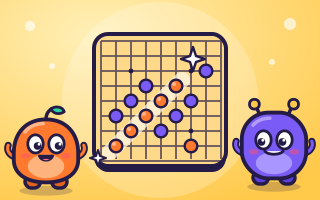
- In board games like Chess, Checkers, Mancala and Reversi, it gets stronger by thinking further ahead, never by breaking the rules.
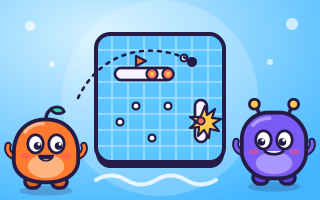
- In Sea Battle, it never looks at your fleet. It only knows where it has fired and what it hit, just like you.
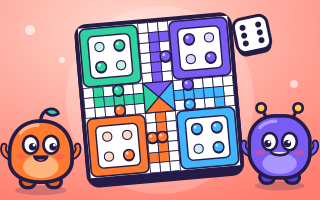
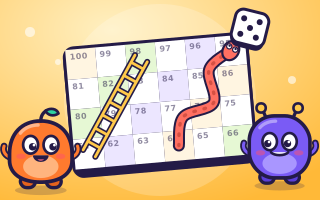
- In dice games like Ludo and Snakes and Ladders, it rolls the same fair die as you and never knows the next roll.
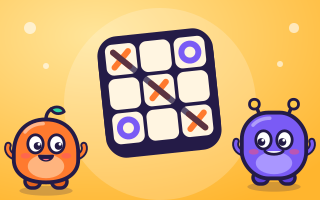
- In Tic-Tac-Toe, the top level plays perfectly, so the best you can do is a draw.
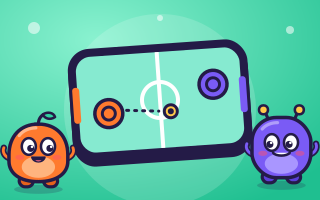
- In action games like Air Hockey, it has a reaction time and a top speed, just like a person.
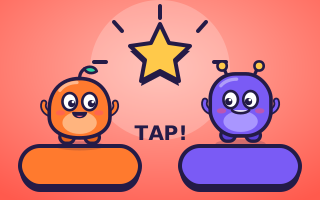
- In Reaction Duel, it can't see the star any sooner than you can, and it can fall for the decoy too.
What the levels mean
Each game page explains exactly how its computer plays at every level. Snakes and Ladders has no levels, because the dice decide everything. In general:
| Level | What to expect |
|---|---|
| Easy | Makes plenty of mistakes. Good for learning the rules and for young players. |
| Medium | Spots simple chances and threats, but doesn't plan far ahead. |
| Hard | Plays carefully and rarely slips. A good test. |
| Expert | The strongest it can be. Beat it and you're ready for anyone. |
Your device remembers the level you chose for each game, so it's ready next time.
Questions
Does the computer cheat on harder levels?
No. Harder levels think further ahead or react faster. They never see hidden information or get any special help.
Can I change the level in the middle of a game?
Close the game with the ✕ button, choose a new level, and start again.
Updated 6 November 2026